The Gender-Specific Traumas Women Face in Addiction Recovery
The Gender-Specific Traumas Women Face in Addiction Recovery
No Comments
Heather Kimpton
– Client Engagement Coordinator
As we celebrate Women’s History Month, it’s crucial that we pause and reflect on the unique struggles women face in addiction recovery. Addiction doesn’t discriminate, but for women, the journey toward healing is often marked by gender-specific traumas that make the road to recovery even more complex.
These experiences, shaped by societal pressures, gender-based violence, and personal hardships, leave lasting scars that influence how women interact with substances.
The Gender-Specific Traumas Women Face in Addiction Recovery
Sexual abuse and assault are among the most heartbreaking gender-specific traumas women endure, and the effects often linger throughout their lives.
According to the National Sexual Violence Resource Center (NSVRC), 1 in 3 women will face some form of sexual violence.
These traumatic experiences often leave women feeling isolated, ashamed, and unworthy, making it difficult to reach out for help.
For many, substances offer a temporary escape—a way to numb the overwhelming emotions of guilt, shame, and fear that follow such abuse. Substance use becomes a way to silence the pain, even if only for a while (NSVRC).
Intimate Partner Violence: A Never-Ending Cycle
The Centers for Disease Control and Prevention (CDC) reports that 1 in 4 women will experience severe IPV in their lifetime. The physical and emotional trauma from IPV can lead to depression, anxiety, and PTSD—conditions often accompanied by substance use as women try to numb their pain.
For many, substances are used as a way to cope with the anxiety and fear of living in an abusive environment. But this becomes a vicious cycle: using substances to escape only makes it harder to break free from the abuse and find healing (CDC).
The Pressure of Societal Expectations and Body Image
Women constantly face societal pressures about their appearance, and this scrutiny can be incredibly damaging to their mental health. Unrealistic standards of beauty, perpetuated by social media, the beauty industry, and the entertainment world, leave many women feeling inadequate. For some, body image struggles like disordered eating or body dysmorphia become intertwined with substance use.
Research from the Journal of Women’s Health shows that women dealing with body dissatisfaction are more likely to develop eating disorders and turn to substances to cope with their emotional pain.
In these moments, substances offer a way to gain some semblance of control over their lives, even if just for a moment (Journal of Women’s Health).
The Lingering Pain of Reproductive Trauma
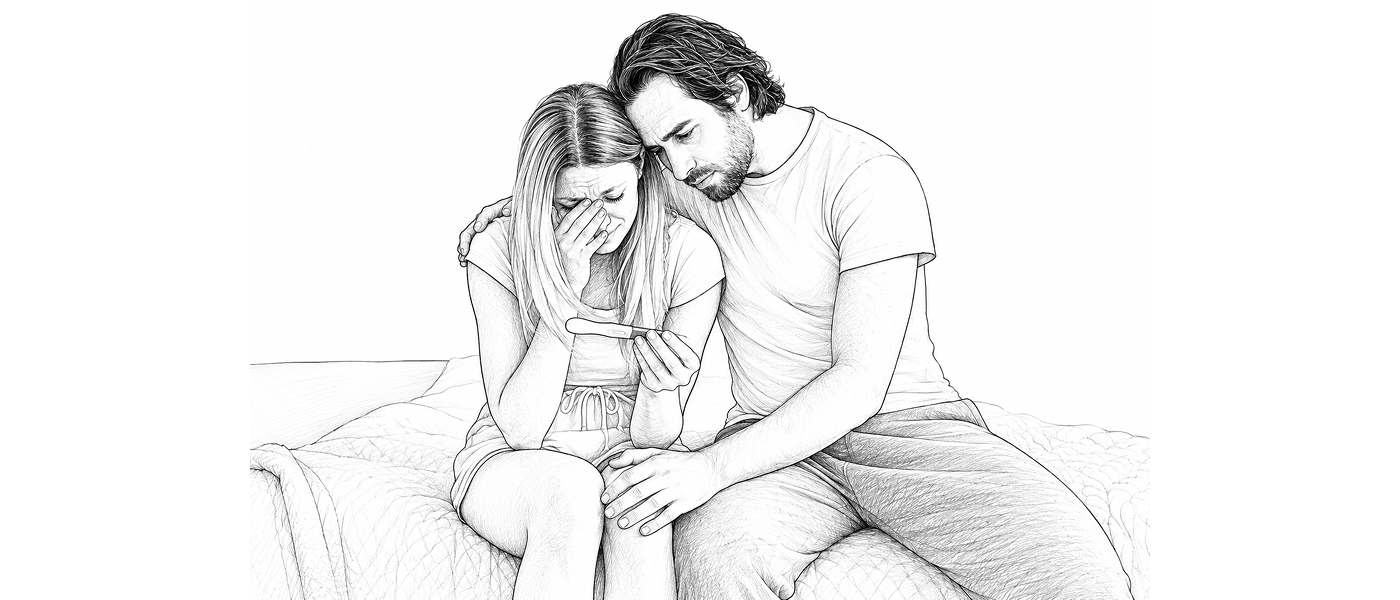
Women’s reproductive health experiences—such as miscarriage, stillbirth, infertility, or complications during childbirth—can also lead to profound emotional trauma.
Research from the American Journal of Obstetrics and Gynecology reveals that women who face these types of reproductive losses are at an increased risk for depression, anxiety, and substance use disorders.
The grief and deep emotional toll of these experiences can be unbearable, and for some women, substances become a way to escape their grief, making it harder to heal.